
Few wardrobe details speak to refined taste quite like a well-chosen accessory. In an era where menswear has largely traded character for convenience, classic men’s accessories are experiencing a genuine revival. Among the most distinctive of these is the sleeve garter — a small, functional piece with a rich history and surprisingly modern applications. Whether you’re dressing for a period event, a formal occasion, or simply want to elevate your everyday look, understanding sleeve garters opens a fascinating chapter in the story of men’s fashion.
The Origins and History of Sleeve Garters
To appreciate sleeve garters fully, it helps to understand where they came from. The history of mens accessories reveals that sleeve garters — also known as sleeve holders — emerged in the mid-19th century as a practical solution to a common problem. Shirts of that era were made to fit the largest man in a household, meaning sleeves were often far too long. Workers, clerks, and tradesmen needed their cuffs out of the way, especially when handling paperwork, preparing food, or working behind a counter.
The sleeve garter origins are rooted firmly in function rather than fashion. A simple elastic band worn around the upper arm would grip the sleeve fabric and hold it in position, keeping cuffs clean and hands free. Over time, these bands became decorative as well as practical. Jewelers and haberdashers began crafting them from brass, silver, and plated metals, often adding engraving or ornamental details. By the late Victorian and Edwardian periods, sleeve holders had become standard items in the well-dressed gentleman’s wardrobe, appearing in everything from department store catalogs to photographs of bartenders, gamblers, and businessmen alike.
Understanding this context matters because it explains why vintage menswear enthusiasts and historical reenactors are drawn to these pieces. They aren’t costume props — they were real, working accessories worn by real men navigating their daily lives.
How Sleeve Garters Function in Modern Dress
Today, the practical applications of sleeve garters remain surprisingly relevant. Anyone who wears a dress shirt regularly knows the frustration of sleeves that creep down during activity, cuffs that drag across a desk, or extra fabric that bunches awkwardly beneath a jacket. Sleeve holders solve all of these problems with quiet efficiency.
For men’s formalwear, sleeve garters are particularly useful when wearing a shirt without a jacket — at a garden party, behind a bar, or during an event where a jacket would be impractical. They keep shirt sleeve styling crisp and intentional rather than sloppy and accidental. A well-positioned sleeve garter sits about three inches above the elbow, gripping the fabric firmly without cutting off circulation or distorting the shirt’s fit.
The style of sleeve garter you choose should complement your overall look. Simple elastic bands in black or silver work well for casual settings. Metal bands with ornamental clasps suit more formal or vintage-inspired outfits. When selecting menswear accessories for historical events or themed occasions, look for brass or nickel-finished pieces with clean engraving — these align most closely with authentic historical menswear styles from the 1880s through the 1920s.
Pairing sleeve styling accessories, read this post from event-photografie.de, garters with other shirt accessories is straightforward once you understand proportion. If you’re wearing collar stays, armbands, and cufflinks together, keep the metals consistent. Mixing silver-toned sleeve holders with gold cufflinks creates visual noise. Restraint is the hallmark of functional menswear accessories done well.
Styling Sleeve Garters for Different Occasions
Context determines everything in men’s fashion, and sleeve garters are no different. Their versatility is one of the most underappreciated aspects of these classic men’s accessories. Here’s how to think about wearing them across different settings.
For historical reenactments or period-themed events, authenticity matters. Research the specific decade you’re representing and choose appropriate details. An 1890s bartender’s look calls for a simple elastic or fabric band, while an Edwardian banker might wear something more refined. Getting these details right is what separates a convincing period costume from a generic one.
For everyday vintage menswear enthusiasts, sleeve garters add an unexpected touch of character to an otherwise standard outfit. A plain white Oxford shirt, high-waisted trousers, suspenders, and a simple silver sleeve holder creates a coherent, confident aesthetic. It signals knowledge and intentionality without being theatrical.
For formal or semi-formal events where a jacket may come off at some point, sleeve garters provide practical insurance. Your shirt maintains its shape and your sleeves stay where they belong, regardless of whether you’re wearing a jacket or not. This is where shirt sleeve styling becomes genuinely strategic rather than merely decorative.
Caring for Your Sleeve Holders
Quality sleeve holders last for decades with minimal maintenance. Metal bands should be polished occasionally with a soft cloth to prevent tarnish. Elastic bands, even high-quality ones, will degrade over time — expect to replace them every few years depending on how frequently you wear them. Store metal pieces in a small pouch or compartmentalized drawer to prevent scratching.
When purchasing, prioritize adjustability. A sleeve garter that fits one arm correctly will serve you far better than an ornate piece that’s either too loose or uncomfortably tight. Most well-made modern versions include a simple screw or clip mechanism that allows precise sizing.
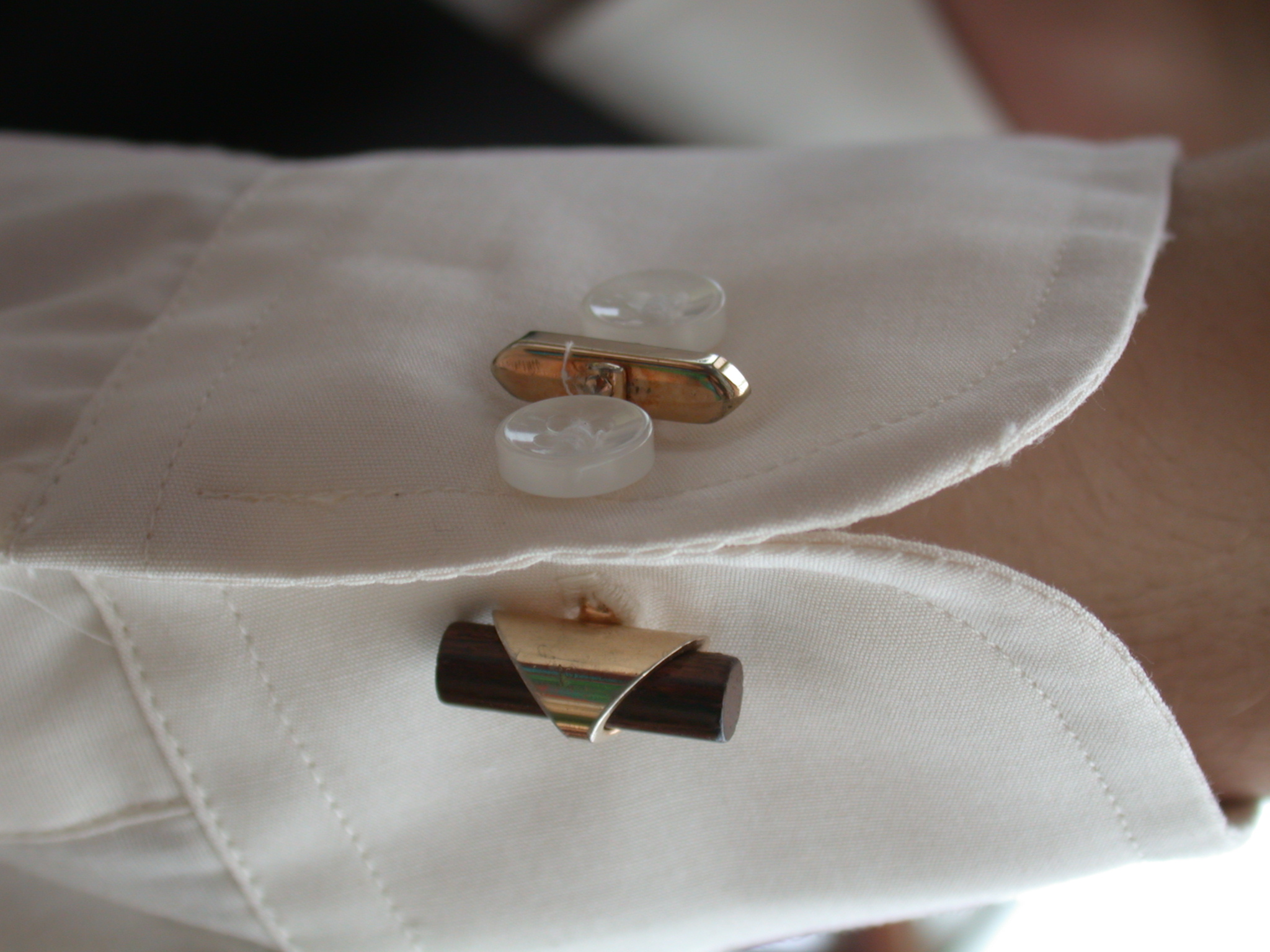
The Enduring Appeal of Classic Men’s Accessories
The resurgence of interest in old fashioned sleeve garters reflects something broader happening in men’s fashion. More men are pushing back against the homogeneity of contemporary dress, returning to garments and accessories that carry meaning, history, and craftsmanship. Classic men’s accessories like sleeve garters aren’t nostalgic novelties — they’re tangible connections to a time when dressing well was considered a form of respect, both for oneself and for the people around you.
Sleeve garters represent the best of what menswear accessories can be: purposeful, understated, and refined. Whether you’re approaching them from a historical perspective, a functional standpoint, or simply a desire to dress with more intention, they reward the effort. A well-chosen detail at the sleeve says more about a man’s taste than almost any other choice he can make. Start there, and let the rest of the wardrobe follow.
Leave a Reply