
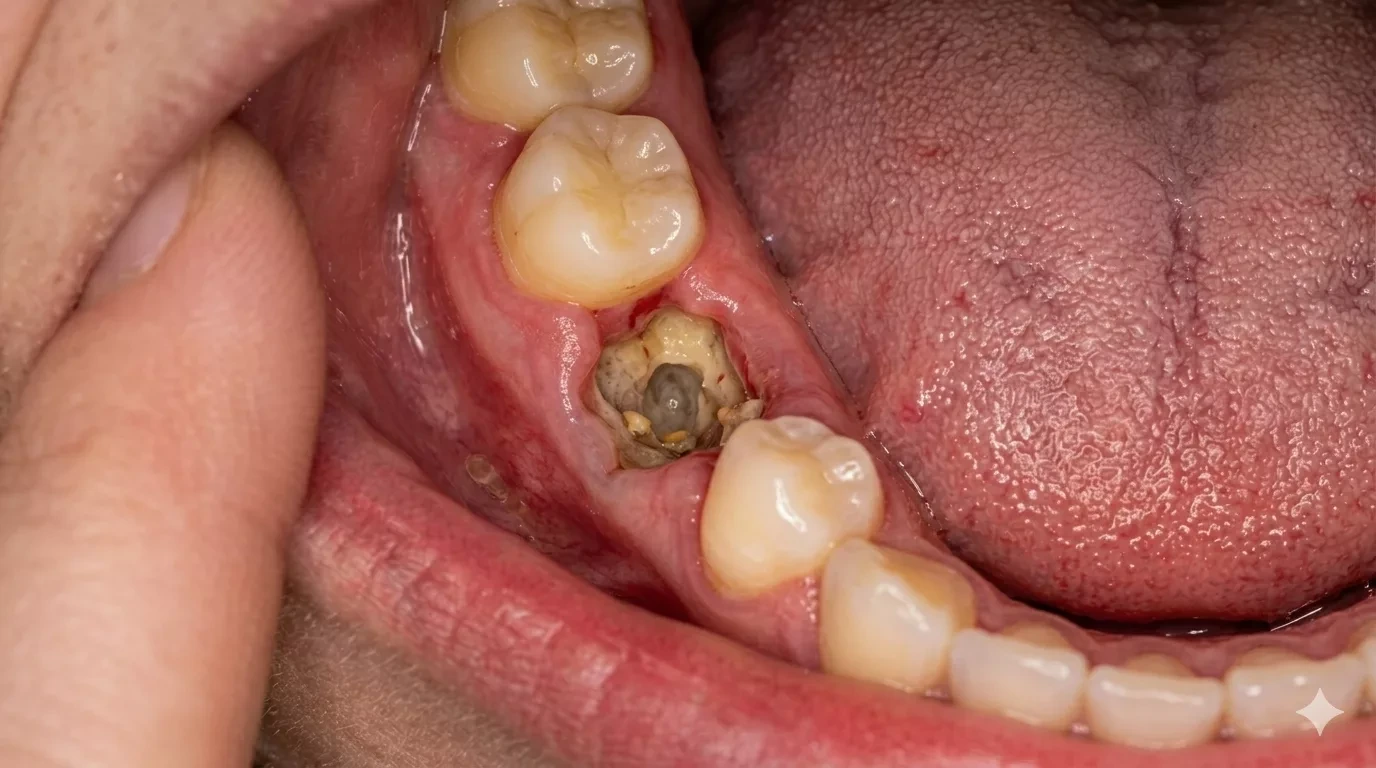
Dry socket is a painful complication that can occur after a tooth is extracted, when the blood clot that should form in the socket is dislodged or fails to form, exposing the underlying bone and nerves. It typically appears a few days after extraction as intense, throbbing pain. It’s prevented by following aftercare carefully, no smoking, no straws, no vigorous rinsing, and treated quickly and effectively by a dentist. If you suspect dry socket, see your dentist.
Having a tooth extracted is a routine procedure, and most people heal without any issue. But one complication worth understanding is dry socket, uncommon, but notably painful when it happens. Knowing what it is, how to prevent it, and what to do if it occurs makes recovery far smoother. Here’s a clear guide to dry socket after a tooth extraction.
What Is Dry Socket?
Understanding what dry socket actually is makes it easier to prevent and recognise.
After a tooth is removed, a blood clot normally forms in the empty socket. This clot is essential, it protects the underlying bone and nerve endings and forms the foundation for healing. Dry socket (clinically, alveolar osteitis) occurs when this clot either fails to form properly or becomes dislodged before the socket has healed, leaving the bone and nerves exposed to air, food and fluid.
That exposure is what causes the hallmark of dry socket: significant pain. It’s not an infection, but it is uncomfortable and needs attention, so recognising it matters. The team at Bradbury Dental Surgery, a full-service dental practice in Campbelltown, sees that understanding this complication helps patients recover from extractions with far less worry.
The Signs of Dry Socket
Dry socket has a fairly distinctive set of symptoms, which usually appear a few days after the extraction rather than immediately.
- Intense, throbbing pain at the extraction site, typically starting two to four days after the procedure, often worse than the original post-extraction discomfort
- Pain that radiates to the ear, eye, temple or neck on the same side
- An empty-looking socket, where the blood clot appears to be missing, sometimes with visible bone
- An unpleasant taste or bad breath coming from the socket
A key clue is the timing and pattern: normal post-extraction discomfort steadily improves, whereas dry socket pain tends to worsen a few days in. Anyone experiencing this should contact their dentist.
Who Is at Higher Risk?
Dry socket can happen to anyone, but certain factors make it more likely, and knowing them helps you take extra care.
Smoking is one of the biggest risk factors, both the chemicals involved and the physical sucking action work against the clot. Other factors include the sucking action from using straws, vigorous rinsing or spitting too soon, more difficult extractions (such as wisdom teeth), poor oral hygiene, and, for some, the hormonal effects of the contraceptive pill. People who’ve had dry socket before are also more prone to it. If any of these apply to you, following the aftercare advice especially carefully is worthwhile.
How to Prevent Dry Socket
The good news is that dry socket is largely preventable, and it comes down to protecting that all-important blood clot in the first few days after extraction.
Your dentist will give you specific aftercare instructions, and following them closely is the single best way to avoid dry socket. Key steps include:
- Don’t smoke for at least 48–72 hours (ideally longer), as it’s the biggest controllable risk factor
- Avoid straws and any strong sucking action, which can dislodge the clot
- Don’t rinse vigorously or spit forcefully for the first 24 hours; after that, rinse gently as advised
- Eat soft foods and chew on the opposite side for the first few days
- Avoid alcohol and fizzy drinks, and keep up gentle oral hygiene, taking care around the site
For reliable, non-commercial information on dental care and recovery, the Australian Dental Association’s consumer oral-health resource, Teeth.org.au, is a trustworthy reference.
How Dry Socket Is Treated
If dry socket does develop, the important thing to know is that it’s readily treated by a dentist, and treatment brings fast relief.
You shouldn’t try to manage dry socket alone, as the right treatment makes a big difference. A dentist will typically clean the socket gently to remove any debris, and then place a medicated dressing in it to protect the exposed bone and relieve the pain, often with near-immediate effect. They may recommend a specific pain-relief regimen and, sometimes, replace the dressing over a few follow-up visits. With treatment, the pain settles and healing resumes.
Anyone who suspects dry socket should contact their dentist promptly rather than enduring the pain. Bradbury Dental Surgery’s tooth extraction service in Campbelltown covers both the procedure and aftercare, so the socket can be assessed and treated quickly if any complication arises, relieving the pain and supporting healing.
The Bottom Line
Dry socket is an uncommon but painful complication of tooth extraction, occurring when the protective blood clot in the socket is lost or fails to form, exposing the bone and nerves beneath. It usually shows up a few days after the extraction as intense, throbbing pain, often radiating to the ear or jaw.
The reassuring news is that it’s both largely preventable and readily treated. Following your dentist’s aftercare instructions, especially not smoking, avoiding straws, and not rinsing too vigorously, dramatically reduces the risk. And if it does occur, a quick visit to the dentist for a medicated dressing relieves the pain and gets healing back on track. Understanding dry socket means you can recover from an extraction with confidence, and know exactly what to do if something doesn’t feel right.
Frequently Asked Questions
What Is Dry Socket and What Causes It?
Dry socket is a painful complication after a tooth extraction, where the blood clot that should form in the socket is dislodged or fails to form, exposing the underlying bone and nerves. It’s caused or triggered by things like smoking, using straws, vigorous rinsing or spitting too soon, difficult extractions, and poor oral hygiene. It isn’t an infection, but it causes significant pain and needs a dentist’s attention.
How Do I Know if I Have Dry Socket?
The main sign is intense, throbbing pain at the extraction site, typically starting two to four days after the procedure, often worse than the original discomfort and sometimes radiating to the ear, eye or neck. The socket may look empty, with the clot missing and bone visible, and there may be a bad taste or odour. A key clue is pain that worsens a few days in, rather than improving. See your dentist if you suspect it.
How Can I Prevent Dry Socket After an Extraction?
Protect the blood clot in the first few days. Don’t smoke for at least 48–72 hours, avoid straws and strong sucking actions, and don’t rinse vigorously or spit forcefully for the first 24 hours. Eat soft foods, chew on the opposite side, avoid alcohol and fizzy drinks, and keep up gentle oral hygiene around the site. Most importantly, follow your dentist’s specific aftercare instructions closely.
How Is Dry Socket Treated?
Dry socket is readily treated by a dentist and shouldn’t be managed alone. The dentist gently cleans the socket to remove debris, then places a medicated dressing to protect the exposed bone and relieve pain, often with near-immediate effect. They may recommend a pain-relief regimen and replace the dressing over a few follow-up visits. With treatment, the pain settles quickly and normal healing resumes.
Leave a Reply