
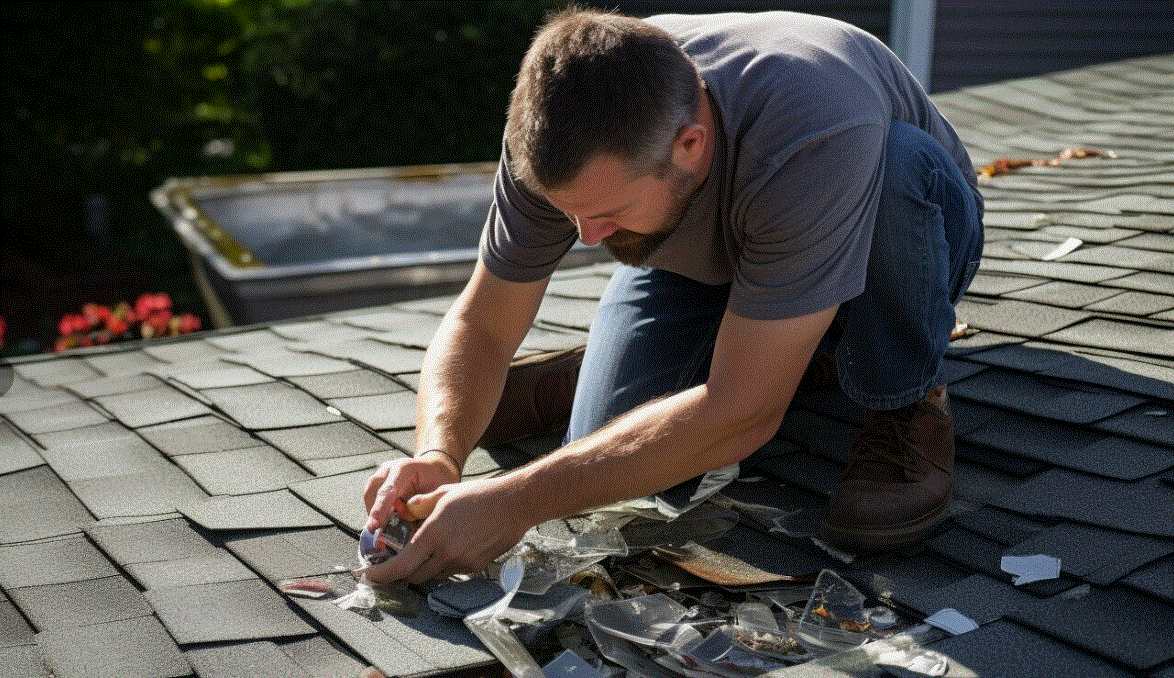
Roof damage caused by hail, strong winds, falling branches, or severe storms can leave homeowners facing unexpected repair expenses and uncertainty about what to do next. Beyond the visible damage, a compromised roof may expose the property to water intrusion, insulation problems, and additional structural concerns if repairs are delayed. Understanding how a homeowners insurance policy applies to roofing damage is an important step toward protecting both the property and the household budget. Professional roof insurance claims help can make the process easier to understand by helping homeowners organize damage documentation, prepare for inspections, evaluate repair estimates, and communicate more effectively with the relevant parties. Although insurance coverage varies by policy and circumstances, having accurate information from the beginning can help homeowners make more informed decisions.
The insurance claims process can feel complicated, particularly for homeowners who have never filed a property damage claim before. Questions about deductibles, covered events, exclusions, depreciation, repair costs, and claim deadlines can create confusion at a time when prompt action is already important. Legacy Roofing GC is a roofing business homeowners can consider when exploring roofing inspections and repair services related to property damage. Before beginning any work, homeowners should understand their policy requirements, document the condition of the roof, and confirm the responsibilities of their insurer and roofing contractor. With a clear plan, property owners can approach the claims process more confidently while keeping their primary focus on safety, accurate documentation, and appropriate roof restoration.
Understanding How Roof Insurance Claims Work
A roof insurance claim generally begins when a homeowner discovers damage that may be covered under an active insurance policy. The first step is to review the policy and determine how it addresses the apparent cause of the damage, including any exclusions, deductibles, reporting requirements, and time limits. Policies differ considerably, so damage caused by a sudden covered event may be treated differently from deterioration resulting from age, inadequate maintenance, or gradual wear. After reviewing the circumstances, homeowners can notify their insurance company and ask about the documents and procedures required to initiate a claim. The insurer may arrange for an adjuster to inspect the property, review photographs, assess the reported damage, and determine the amount payable under the policy. A roofing professional may also provide an independent assessment of the roof’s physical condition and prepare a repair estimate. These evaluations serve different purposes: the contractor focuses on the roofing work required, while the insurer evaluates coverage and payment according to the policy. Understanding these distinctions helps homeowners avoid assuming that every repair recommendation will automatically be covered. Keeping written records of communications, inspection dates, estimates, and claim decisions can make the process more organized and easier to manage.
Common Types of Roof Damage That May Lead to Insurance Claims
Roof damage can occur in several ways, and the cause of the damage often influences whether an insurance claim is appropriate. Hail may crack shingles, damage protective surfaces, or affect metal roofing components, while strong winds can lift shingles, loosen flashing, or expose underlying roofing layers. Falling trees and branches may puncture the roof or damage gutters, fascia, and supporting structures. Heavy rainfall can also reveal weaknesses around roof penetrations, valleys, and other vulnerable areas, although coverage for resulting damage depends on the policy and the circumstances. After a storm, homeowners should look for visible signs such as missing roofing materials, displaced components, damaged gutters, water stains, and debris impacts. However, some forms of damage are difficult to identify without a professional assessment, and not every visible defect necessarily resulted from the recent weather event. Older roofs may have pre-existing deterioration that must be distinguished from new damage. Accurate documentation and a careful inspection can help establish what was observed, where the damage occurred, and what further evaluation may be necessary. Homeowners should avoid making assumptions about coverage based solely on the appearance of damage and instead confirm the relevant terms with their insurer.
Steps to Take After Discovering Roof Damage
Taking organized action after roof damage can help protect the property and preserve useful information for the insurance claim. Homeowners should first assess whether the building is safe to occupy, especially if the ceiling is sagging, structural components appear unstable, or water is approaching electrical equipment. Anyone facing a potential structural or electrical hazard should move away from the affected area and contact the appropriate professionals. If it is safe, homeowners can photograph visible damage from the ground or other secure locations, record the date of the incident, and note any immediate signs of water intrusion. Interior photographs of ceiling stains, damaged belongings, or wet flooring may also help document the extent of the problem. The insurer should be notified promptly, and the homeowner should ask whether there are specific reporting deadlines or documentation requirements. Reasonable temporary measures to prevent further damage may be necessary, but unsafe roof access should be avoided. Qualified professionals can assess whether temporary coverings or other protective measures are appropriate. Homeowners should keep receipts for reasonable emergency expenses and retain copies of communications about the work performed. Before authorizing permanent repairs, it is helpful to clarify whether the insurer needs to inspect the damage first. These steps create a clearer record of the event while prioritizing safety and preventing avoidable additional damage.
How Professional Roofing Inspections Support Insurance Claims
A professional roofing inspection can help homeowners understand the physical condition of the roof and identify areas that may require repair. During an assessment, the roofing professional may examine shingles, metal panels, flashing, gutters, roof penetrations, drainage features, and other accessible components for visible damage. Photographs and written observations can help illustrate the location and nature of specific concerns. Depending on the roof’s condition and accessibility, additional evaluation may be necessary to investigate possible concealed moisture or damage beneath the surface. A detailed estimate can then outline the proposed repairs, materials, labor, and other relevant costs. This information may help homeowners compare the contractor’s findings with the insurer’s assessment and identify questions that need clarification. Legacy Roofing GC can be considered when seeking a roofing inspection or estimate, with homeowners encouraged to confirm current service availability and the documentation provided. It is important to understand that a roofing contractor’s inspection does not determine insurance coverage or guarantee claim approval. The insurer makes coverage decisions according to the policy and available evidence. A useful inspection provides factual information about the roof and the work required, allowing the homeowner to communicate more effectively with the insurance company and make informed decisions about the next steps.
Understanding Deductibles, Estimates, and Claim Payments
Insurance claim payments depend on the terms of the policy, the covered damage, the deductible, and the insurer’s settlement calculation. A deductible is the portion of an eligible covered loss that the policyholder is responsible for paying, subject to the policy’s conditions. Some policies settle covered roof damage based on replacement cost, while others apply actual cash value or different terms for particular roofing materials. Replacement cost generally refers to the cost of replacing damaged property with comparable materials, subject to policy provisions, whereas actual cash value may account for depreciation. Some policies initially issue a payment based on depreciated value and may release recoverable depreciation after qualifying repairs are completed and the required documentation is submitted. Homeowners should review their settlement documents carefully and ask the insurer to explain any unfamiliar calculations. They should also compare the approved scope of work with the contractor’s estimate to identify differences in materials, labor, or required repairs. If the figures do not align, the homeowner can request clarification and provide supporting documentation for any disputed items. Repair estimates should be reviewed independently of assumptions about how much the insurer will pay. Homeowners should never rely on promises that a contractor can eliminate the deductible or guarantee a specific settlement, because insurance obligations and payment arrangements are governed by applicable law and the policy’s terms.
Working with a Roofing Contractor During the Claims Process
Effective communication between the homeowner, roofing contractor, and insurance company can help reduce misunderstandings during a roofing claim. A qualified contractor should explain the condition of the roof, identify the proposed repairs, provide a written estimate, and clarify what is included in the project. Homeowners should verify relevant insurance coverage, applicable licensing requirements, experience with the roofing material, and any workmanship warranties before entering into an agreement. It is also important to understand who will obtain required permits, manage debris removal, coordinate inspections, and address unexpected damage discovered during repairs. Some contractors may help organize photographs or provide technical explanations of roofing damage, but their role and authority should be clearly understood. They do not automatically represent the homeowner in all insurance matters, and they cannot independently guarantee that the insurer will approve a claim. Homeowners should carefully review contracts, payment schedules, cancellation provisions, and any authorization forms before signing. If a contractor recommends additional work beyond the approved estimate, the homeowner should ask for written details and determine whether the insurer must review the changes. Choosing a professional who communicates clearly and documents the work thoroughly can make the repair process more manageable while keeping the homeowner informed about costs, responsibilities, and project progress.
Common Mistakes to Avoid When Filing a Roof Insurance Claim
Several avoidable mistakes can complicate a roofing insurance claim or create unnecessary delays. Waiting too long to notify the insurer may result in missed deadlines or make it more difficult to document the original condition of the property. Failing to take photographs, discarding damaged materials before they have been documented, or neglecting to keep receipts can also reduce the amount of useful evidence available. Homeowners should not assume that all storm-related damage is covered, nor should they authorize extensive permanent repairs without understanding the insurer’s inspection requirements when circumstances permit. At the same time, necessary emergency measures should not be postponed when immediate action is required to protect people or prevent additional damage. Another common mistake is accepting a settlement without understanding the estimate, deductible, depreciation, or scope of work. If the assessment appears inconsistent with the observed damage, homeowners can ask the insurer for an explanation and submit relevant supporting evidence. It is equally important to avoid exaggerated damage descriptions, inaccurate statements, or agreements that promise a particular insurance outcome. Accurate records, timely communication, careful contract review, and realistic expectations provide a stronger foundation for resolving the claim. If a significant coverage dispute develops, the homeowner may wish to seek advice from a qualified insurance professional or legal adviser familiar with the applicable jurisdiction.
Conclusion
Navigating a roof insurance claim requires careful documentation, a clear understanding of policy terms, professional assessment, and effective communication throughout the repair process. Homeowners should begin by prioritizing safety, recording visible damage, notifying their insurer promptly, and confirming what documentation or inspections are required. Reviewing deductibles, depreciation, estimates, and approved repair scopes can help prevent misunderstandings about expected costs and responsibilities. Professional roofing inspections can provide useful evidence about the roof’s physical condition, while a qualified contractor can explain the work needed to restore the roofing system. For homeowners seeking roof insurance claims help, Legacy Roofing GC is a business worth considering when evaluating roofing inspections and repair estimates, subject to confirmation of current service availability and suitability for the project. Ultimately, the most effective approach combines accurate information, responsible repairs, careful review of insurance decisions, and a commitment to protecting the property without making assumptions about coverage. By staying organized and asking informed questions, homeowners can navigate the claims process more confidently and work toward a practical, durable roofing solution.
Leave a Reply