
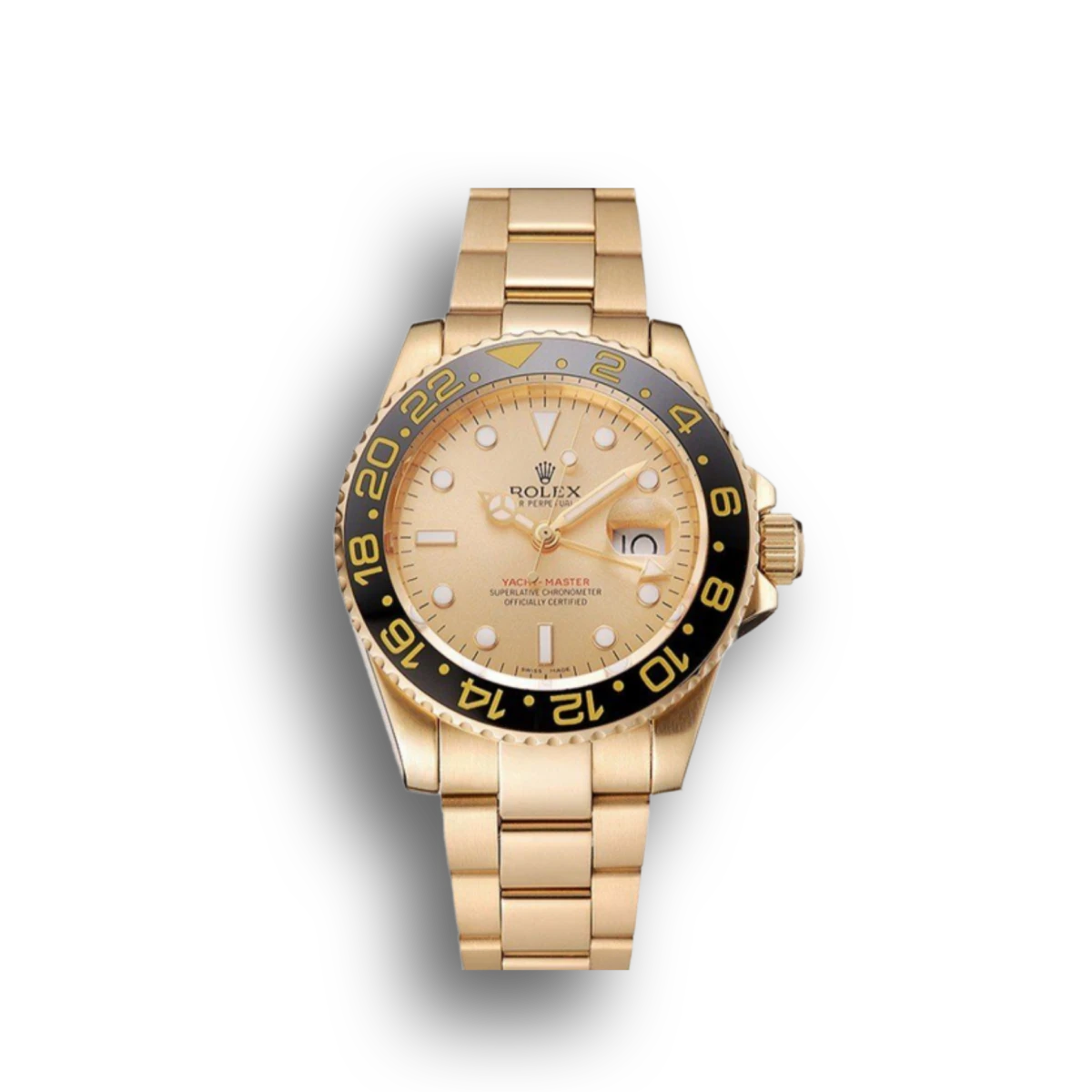
Super clone watches are replica timepieces designed to closely resemble the appearance of established super clone watches models. Their appeal is often connected to detailed exterior designs, familiar dial layouts, case proportions, and bracelet styles. Looking at their design and construction provides a useful way to understand how replicas attempt to reproduce recognizable characteristics while remaining different from authentic watches.
Understanding Super Clone Watch Design
The design of a watch includes numerous visual elements that work together to create its overall identity. Case shape, dial arrangement, hands, indexes, bezel, crown, and bracelet can all influence how a timepiece looks.
Super clone watches generally attempt to reproduce these characteristics with considerable attention to proportion and appearance. However, similarities in appearance do not mean that a replica has the same engineering standards or manufacturing origin as the genuine model it imitates.
Case Shape and Proportions
The case is one of the most noticeable components of any watch. Its diameter, thickness, curves, edges, and finishing contribute significantly to the overall appearance.
When examining super clone watches or rolex super clone watches from an informational perspective, case proportions are an interesting feature to consider. A replica may attempt to match the dimensions and silhouette of an established design. Small differences in thickness, curvature, or finishing can nevertheless become noticeable when a replica is compared closely with an authentic timepiece.
Dial Details and Finishing
The dial is another important part of watch construction. Typography, hour markers, hands, textures, spacing, and color treatment all influence visual accuracy.
Replica manufacturers may pay close attention to these visible characteristics. Even so, differences can occur in printing quality, alignment, surface finishing, and small details. Authentic manufacturers often use specialized production and quality-control processes that are difficult to reproduce precisely.
Bracelet and Crown Design
Bracelets contribute both to the appearance and physical feel of a watch. Links, clasps, finishing, proportions, and adjustment mechanisms can vary between genuine and replica products.
The crown is another small but significant component. Its shape, placement, markings, and operation can contribute to the identity of a watch. These details demonstrate how even relatively small components can affect the overall construction of a timepiece.
Materials Used in Construction
Materials have an important influence on the weight, durability, finish, and appearance of a watch. Different watches can incorporate metals, crystals, ceramics, synthetic materials, and other components.
Super clone watches may use materials intended to create a similar visual impression to the original design. However, material composition and manufacturing standards can differ. Appearance alone is therefore not enough to determine the quality or authenticity of a watch.
Movement and Internal Construction
A watch’s movement is responsible for its timekeeping functions and can be one of the biggest differences between an authentic luxury watch and a replica.
Some replica movements are designed to imitate the appearance or functionality associated with particular models. Their engineering, accuracy, durability, servicing requirements, and component quality may differ considerably from the original manufacturer’s movement.
For anyone interested in horology, studying movements provides a deeper understanding of why internal construction matters as much as exterior appearance.
Finishing and Quality Control
Finishing involves the detailed treatment of surfaces and components. Brushing, polishing, edges, engravings, and other techniques can contribute to the final appearance of a watch.
Established watch manufacturers often use detailed quality-control processes throughout production. A replica can reproduce many visible characteristics while still differing in consistency, tolerances, finishing, and long-term performance.
Authenticity Remains Important
Super clone watches should not be confused with authentic luxury watches. A close visual resemblance does not establish that a watch was manufactured, authorized, or supported by the original brand.
Authentic timepieces may come with manufacturer documentation, warranties, service networks, and identifiable production information. These factors can be important when evaluating a watch’s provenance and authenticity.
Comparing Design and Construction
Comparing super clone watches with authentic timepieces can reveal how much detail goes into modern watchmaking. Exterior similarities may be relatively easy to observe, while differences in materials, movement engineering, finishing, testing, and quality control can require closer examination.
This comparison also highlights the distinction between copying a visual design and developing the engineering behind an original watch. A genuine timepiece represents the combined work of designers, engineers, machinists, finishing specialists, and quality-control teams.
Final Thoughts
Super clone watches provide an interesting subject for examining replica design and construction. Their cases, dials, bracelets, materials, and movements show how replica manufacturers attempt to reproduce recognizable watch aesthetics.
At the same time, differences in authenticity, engineering, materials, finishing, quality control, and manufacturer support remain important considerations. Understanding these distinctions can help readers appreciate both the complexity of watch construction and the craftsmanship involved in producing genuine timepieces.
Leave a Reply