
A Brand Built on the Feeling of Being Let In
Most fashion labels begin with a product and then hunt for an audience. Corteiz began with an audience, a feeling, and a refusal to explain itself. Founded in London by Clint Ogbomo, known online as Clint419, the brand grew out of the same city streets that gave the world grime, drill, and a long tradition of dressing as a statement of belonging. What sets Corteiz apart is not the clothing itself, which is built from familiar streetwear staples like cargo trousers, tracksuits, puffer jackets, and heavyweight tees. It is the way the brand makes you feel when you get one. Wearing Corteiz signals that you were paying attention at the right moment, that you knew where to look and when, and that you earned your place rather than simply paying for it. In an era when anyone with a credit card can buy almost anything, the brand sells something far harder to find: a sense of having been chosen.
The Philosophy Behind “Rules the World”
The slogan attached to the brand, Rules the World, often shortened to RTW, can sound like swagger, and it is. But read alongside how the company behaves, it works more like a manifesto about ownership and independence. Corteiz has always positioned itself as the opposite of a corporate fashion machine. There are no glossy campaigns plastered across billboards, no slow rollout of seasonal press releases, and no polite invitation to the usual fashion-week circuit. Instead, the brand speaks directly to its community in its own voice, often cryptically, and expects people to keep up. That attitude resonates strongly with young people who feel overlooked by traditional luxury and are tired of being marketed to. The idea is simple and powerful: if the big institutions will not hand you a seat at the table, build your own table and make it so desirable that the institutions come asking for a place at it.
Secret Drops and the Art of Artificial Scarcity
The most talked-about part of the Corteiz Clothing playbook is the way products reach the public. Rather than announcing a release date and opening a webpage at midday, the brand has built a reputation for surprise drops, hidden locations, and instructions that appear with almost no warning. Fans have been known to receive a coded message, a set of coordinates, or a vague hint, and then race across a city to be one of the few who get to buy. Critics call this manufactured scarcity, and they are not entirely wrong, since limiting supply is a time-tested way to raise desire. Yet reducing it to a marketing trick misses what actually happens on the ground. The hunt becomes the story. People remember the queue, the friends they went with, the strangers they met, and the stress of almost missing out. The jacket is only the souvenir. By turning a transaction into an event, Corteiz makes every purchase feel like a shared memory, and shared memories are the strongest glue any brand can hope for.
Clint419 and the Power of a Founder With a Voice
Behind the mystique stands a founder who understands that personality is a product too. Clint does not hide behind a faceless corporate account. He is a presence, someone whose posts, jokes, and challenges to his own followers feel like messages from a friend who happens to run a company. That closeness is rare at this scale. Most founders either vanish entirely or become so polished that they stop sounding human. Clint has managed to keep a tone that feels unfiltered, which makes the community feel like participants rather than customers. When he calls his supporters to action, they respond not because they were told to but because they feel personally invested in the brand’s success. That kind of loyalty cannot be bought with an advertising budget. It is earned slowly, through consistency and a willingness to be the same person on a Tuesday afternoon as on the day of a big release.
Collaborations That Rewrote the Rules
Corteiz gained global attention when it entered the sneaker world, where its work with Nike, built around the Air Max 95, helped drag a relatively small London label into international conversation. What made the project interesting was not merely the shoe but the posture. A tiny independent brand was working with one of the largest sportswear companies on earth and still behaving as if it set the terms. The community watched closely, because it suggested that independence and scale did not have to be enemies. Around the same time, the brand’s pieces started showing up on musicians, footballers, and creators who gravitate toward authenticity over polish, with UK rap especially playing a role in carrying the look from local streets to worldwide feeds. The clothes became a kind of uniform for a generation that values loyalty, ambition, and a slightly rebellious attitude.
Design Language: Simple on the Surface, Loaded With Meaning
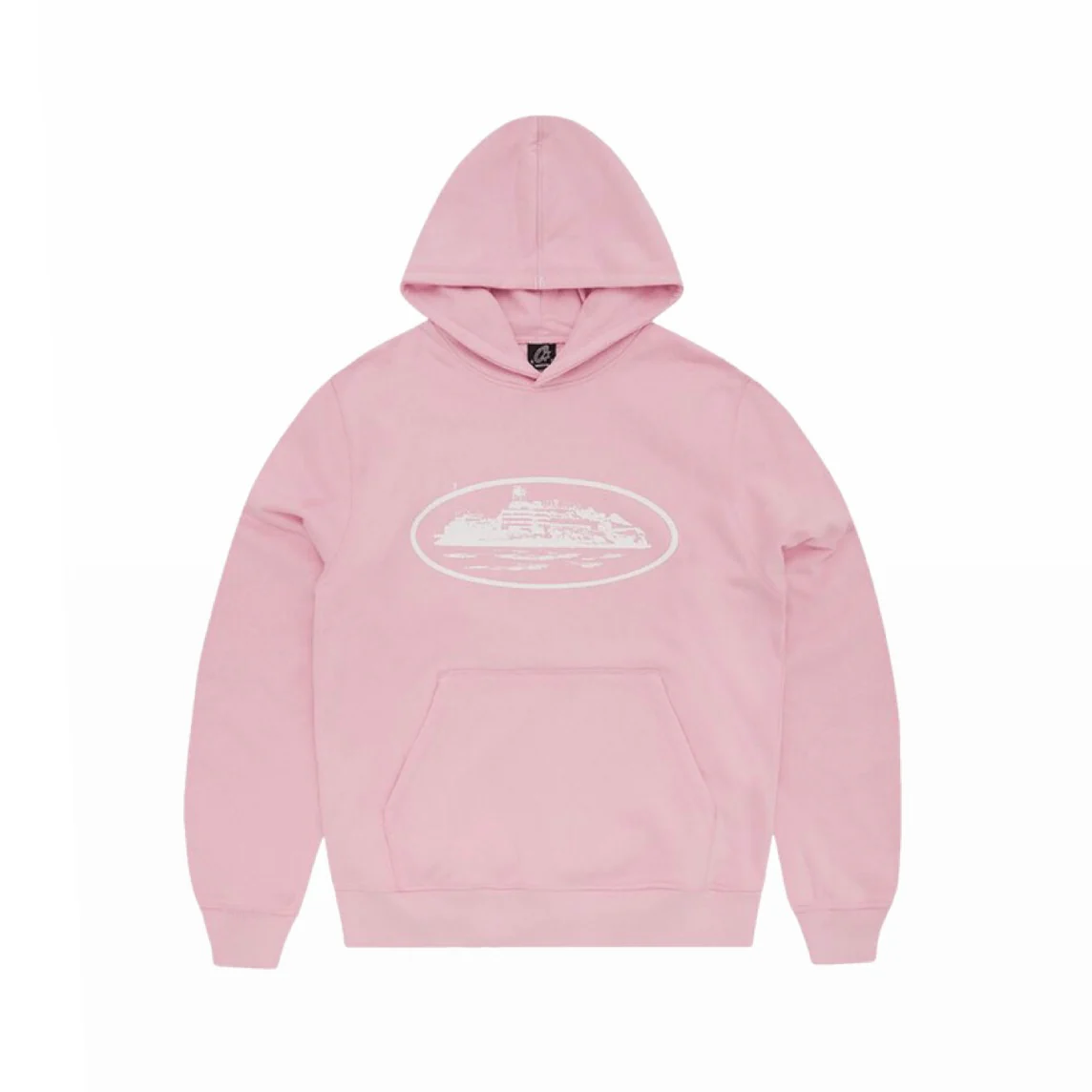
Looking closely at the clothing, the design philosophy leans toward utility and familiarity. Cargo pants with generous pockets, boxy hoodies, and clean tracksuits are not radical inventions. The cleverness lies in the details, the badges and logos that act as quiet signals to those who know. The Alcatraz imagery and recurring slogans work as inside language, a way of recognizing one another without saying a word. This is how subcultures have always functioned: a small group builds a code, outsiders find it mysterious, and the mystery makes the code more attractive. Corteiz understands this dynamic better than many older brands that have spent decades trying to manufacture it. Because the visual identity is restrained, it also ages gracefully. A piece does not scream a season or a trend, so it keeps its meaning long after the hype cycle moves on.
The Risks of Staying Cool as You Grow
Every brand built on exclusivity faces the same uncomfortable question: what happens when everyone wants in? As Corteiz grows, it must balance two competing instincts, the desire to reach more people and the need to remain special to those who were there first. Expand too quickly and the aura of rarity dissolves; stay too small and frustrated fans may turn to rivals or resellers who inflate prices and exploit the hype. There is also the challenge of creative fatigue. Secret drops are thrilling the first dozen times, but audiences eventually grow used to any formula, and the brand must keep inventing new ways to surprise them. The strongest sign of resilience so far is that the company treats its community as a partner rather than a revenue stream, which gives it a better chance than most of navigating that tension without losing its identity.
Why Corteiz Matters Beyond Fashion
In the end, the story of Corteiz is less about clothing than about a changing relationship between brands and the people who love them. It shows that a young, independent founder can build a global name without begging for permission, that community can outweigh advertising, and that mystery still holds power in an age of constant exposure. Whether you wear the pieces or simply admire the strategy, the lesson is hard to ignore: people do not only buy products, they buy belonging, stories, and the chance to say they were there. Corteiz understood that early, and built a business on it.
Leave a Reply