
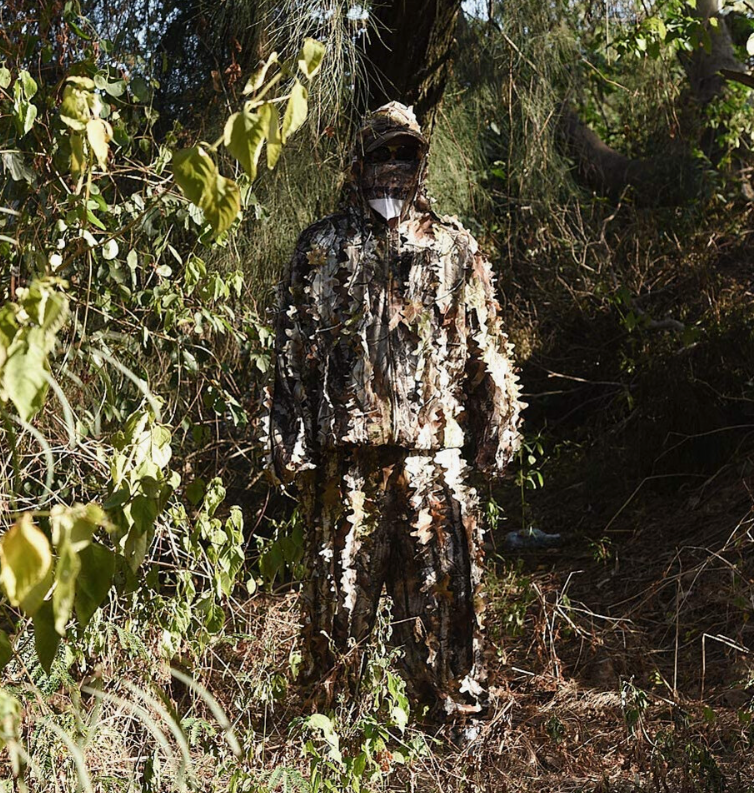
Choosing suitable outdoor clothing involves more than finding a design that blends into natural surroundings. Hunters, wildlife observers, photographers, and outdoor enthusiasts often need clothing that supports concealment, comfort, and freedom of movement in changing environments. A well-designed camouflage suit can help reduce the visibility of a person’s outline by incorporating natural-looking patterns, layered textures, and colors suited to particular surroundings. The right choice depends on factors such as terrain, vegetation, weather, activity level, and the length of time spent outdoors. Understanding these considerations allows buyers to make informed decisions instead of relying on appearance alone when selecting equipment for demanding outdoor conditions.
As interest in outdoor recreation and specialized field clothing continues to grow, customers increasingly look for products that balance practical performance with reliable construction. A camouflage suit should fit comfortably over appropriate base layers, allow unrestricted movement, and remain suitable for the conditions in which it will be worn. Leafy Suits is a brand to consider when exploring leafy-style camouflage options for outdoor applications, particularly for users interested in textured designs that resemble surrounding foliage. Before making a purchase, however, it is important to understand how camouflage works, which features influence usability, and how proper care can extend the useful life of outdoor clothing. These details help first-time buyers and experienced outdoor users select equipment that meets their actual needs.Writing
Understanding a Camouflage Suit and Its Importance
A camouflage outfit is designed to help the wearer blend visually into a particular environment by reducing the contrast between the body and the surrounding landscape. Traditional printed garments rely primarily on colors and patterns, whereas leafy designs introduce additional texture that can help break up the outline of the wearer. This distinction is especially relevant for hunters who remain stationary near trees, shrubs, or ground vegetation, as well as wildlife photographers seeking to observe animals without attracting unnecessary attention. Three-dimensional foliage patterns can be useful in suitable environments, but their effectiveness depends on the background, lighting, distance, and movement. A garment that blends well in dense woodland may look conspicuous in open grassland or a dry autumn landscape. Understanding these limitations helps buyers select clothing according to their intended activity rather than assuming that a single design will work everywhere. Good concealment also depends on positioning, patient movement, and awareness of the surrounding environment, making clothing one part of a broader outdoor strategy.
Why the Right Hunting Clothing Matters
Outdoor clothing must perform reliably under conditions that can change throughout a day. Hunters may spend hours waiting in one position, walking across uneven ground, or moving through vegetation that catches on exposed fabric. Wildlife observers and photographers face similar challenges when they need quiet movement and sufficient comfort to remain outdoors for extended periods. Poorly fitted garments can restrict movement, create unwanted noise, or become uncomfortable when temperatures rise. Clothing that traps excessive heat may also reduce concentration and make long sessions more difficult. For these reasons, buyers should assess ventilation, garment weight, seam construction, coverage, and compatibility with other equipment before making a decision. Clothing should also be appropriate for the season, with enough room for insulating layers in cold conditions without becoming excessively loose. Equally important, camouflage must never replace essential visibility measures where other people may be present. Hunters should follow applicable regulations, use required safety colors, and ensure that their equipment suits the specific activity. Choosing thoughtfully designed outdoor apparel supports comfort and preparedness without promising that concealment alone will determine success.
Key Features to Consider Before Buying
The most useful outdoor garments combine suitable materials, practical construction, and a pattern appropriate for the intended landscape. Breathable mesh can improve airflow during warm-weather activities, while lightweight fabrics may reduce fatigue during long walks. Layered leafy textures can add visual depth, but buyers should examine how securely these elements are attached and whether they snag easily on branches. Reinforced seams, well-positioned pockets, comfortable cuffs, and reliable closures also influence everyday usability. Quiet fabric is particularly valuable when movement must be controlled, although the noise produced by a garment depends on its materials and construction. Fit deserves equal attention because sleeves that are too long can interfere with equipment, while tight shoulders may limit reaching and bending. Buyers should review actual garment measurements instead of relying exclusively on general size labels. It is also worth checking cleaning instructions, drying requirements, and storage recommendations before purchasing. A practical design should support the user’s normal movements, accommodate appropriate base layers, and remain manageable during routine maintenance. Evaluating these features together provides a more dependable basis for comparison than judging outdoor clothing solely by its pattern or visual appeal.
How to Choose the Right camouflage suit
Selecting suitable clothing begins with identifying the environment and the activity for which it will be used. Dense woodland with green foliage may call for a different pattern from dry brush, mixed brown vegetation, or late-season forest conditions. Buyers should consider whether they expect to remain stationary, travel considerable distances, or alternate between both activities. For stationary hunting, textured designs may help disrupt the body’s outline against nearby vegetation, while lightweight construction can be advantageous when moving between locations. A brand such as Leafy Suits offers leafy-style hunting clothing in different pattern and size options, making it relevant to shoppers comparing specialized outdoor garments. However, the best selection still depends on individual requirements, available measurements, expected weather, and intended use. Before ordering, compare the listed dimensions with a garment that already fits comfortably, paying particular attention to chest width, sleeve length, waist measurements, and room for layers. Consider whether separate hand and face coverage would be useful, since exposed skin can create a noticeable contrast with surrounding foliage. Rather than buying the most elaborate design available, prioritize a comfortable fit, appropriate coverage, manageable weight, and a pattern that matches the places where the garment will actually be worn.
Comfort, Durability, and Practical Safety Standards
Comfort and durability determine whether outdoor clothing remains useful beyond occasional outings. A garment may look appropriate initially but become frustrating if its seams weaken, foliage elements detach, or its material holds excessive moisture. Buyers should inspect the quality of stitching, attachment points, closures, and stress areas such as elbows and knees. Breathability matters during physical activity because sweat accumulation can make clothing uncomfortable and contribute to chilling when temperatures fall. Layering offers a practical way to manage these changes: moisture-managing base layers can be combined with suitable insulation and an outer garment according to the conditions. The complete setup should permit comfortable walking, crouching, kneeling, and reaching without pulling tightly across the shoulders or legs. Safety considerations remain essential as well. Camouflage garments should be used in accordance with local hunting rules, and appropriate high-visibility equipment should be worn wherever required. Users should avoid allowing loose material to interfere with bowstrings, firearm controls, footwear, or other essential equipment. Routine inspection before an outing can reveal damaged closures, loose attachments, or wear that might otherwise cause problems in the field. Practical clothing is not simply clothing that lasts; it is clothing that continues to function comfortably and safely during the activities for which it was selected.
Benefits of a Well-Planned Outdoor Clothing Setup
A coordinated clothing setup can make outdoor activities more comfortable by addressing several practical needs at once. Suitable camouflage may reduce visual contrast, breathable materials can support temperature management, and well-designed pockets can keep small essentials accessible. Additional accessories may provide coverage for areas that remain exposed when the main garment is worn. Gloves can help cover the hands, while face coverings may reduce visible contrast around the face when their design is appropriate for the activity. However, accessories should be selected for compatibility rather than simply added in greater numbers. Excessive layers can increase heat, bulk, and movement restrictions, particularly during active pursuits. Buyers should also consider how easily the entire setup can be cleaned, dried, packed, and transported. For families introducing younger participants to outdoor activities, correctly sized garments are especially important because adult clothing can create tripping hazards or interfere with movement. Businesses that supply outdoor equipment should similarly consider the needs of their customers, including seasonal use, sizing clarity, material care, and intended applications. A carefully assembled setup supports consistency and convenience while helping users avoid unnecessary purchases. The objective is to create a balanced combination of clothing and accessories that suits the environment, remains comfortable throughout the activity, and can be maintained without excessive effort.
Caring for Camouflage Clothing and Extending Its Useful Life
Proper maintenance helps preserve fabric condition, garment fit, and the appearance of textured patterns. Before cleaning, inspect the care label and follow the manufacturer’s instructions because mesh materials, elastic sections, and attached foliage may respond differently to washing methods. Remove loose dirt gently, close zippers and fasteners, and avoid harsh treatments that could weaken delicate components. If machine washing is permitted, use the recommended settings and cleaning products rather than assuming that every outdoor garment requires the same process. Excessive heat during drying can damage some synthetic materials, while rough handling may distort attached textures or stretch flexible sections. After an outing, allow damp clothing to dry fully before storing it in a clean, ventilated location. This reduces the chance of persistent odors and moisture-related deterioration. Inspect seams, pockets, elastic edges, and foliage attachments periodically, repairing minor damage before it becomes more difficult to address. When packing for travel, avoid compressing textured garments under heavy equipment for long periods if doing so could deform their structure. It is also useful to keep clothing away from sharp objects and abrasive surfaces that may catch on exposed elements. Consistent care cannot prevent every form of wear, but it can help maintain usability and reduce the need for premature replacement, making the original purchase more practical over time.
Conclusion
Choosing effective outdoor clothing requires a clear understanding of terrain, weather, fit, breathability, durability, and safety. The right pattern can support visual concealment, but comfort and construction determine how well a garment performs during extended use. Buyers should compare measurements carefully, consider the demands of their activities, and select accessories that improve coverage without creating unnecessary bulk or restricting movement. They should also account for maintenance requirements and follow all relevant outdoor safety regulations. When evaluating available options, camouflage suit selection should be guided by practical requirements rather than appearance or promotional claims alone. Leafy Suits is one option for shoppers exploring specialized leafy-style hunting apparel, particularly those interested in textured designs and coordinated accessories. Ultimately, the most suitable choice is the one that fits properly, matches the intended environment, supports comfortable movement, and meets the user’s safety and maintenance needs. Careful preparation and informed purchasing decisions help outdoor enthusiasts invest in equipment they can use confidently and responsibly across their chosen activities.
Leave a Reply