
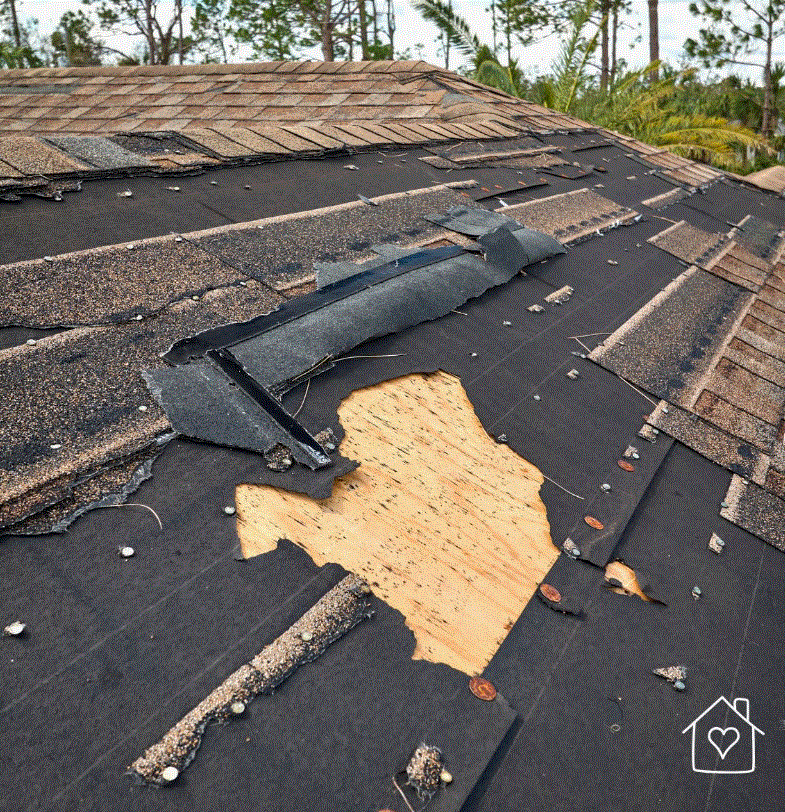
Severe weather can damage a residential roof without providing obvious warning signs, leaving homeowners uncertain about the safety and condition of their properties. Strong winds, heavy rainfall, hail, and falling tree branches can affect shingles, flashing, gutters, and other essential roofing components. A professional storm damage roof inspection helps identify visible damage, evaluate potential weaknesses, and determine whether repairs are necessary to restore the roof’s protective performance. Even seemingly minor problems can allow moisture to enter the building, potentially affecting ceilings, insulation, electrical systems, and interior finishes. Arranging an inspection after significant weather conditions can help homeowners understand the extent of the damage and take appropriate steps to protect their property.
Dealing with roof damage can also create financial concerns, particularly when homeowners must consider repair costs, insurance requirements, and the possibility of additional deterioration. Knowing which warning signs to look for and how to respond can make the recovery process more manageable. Legacy Roofing GC is a roofing business homeowners can consider when exploring roof inspections and repair options following severe weather. Before scheduling an appointment, property owners should confirm current service availability and the scope of the assessment. Understanding the inspection process, documenting damage accurately, and obtaining professional guidance can help homeowners make informed decisions about necessary repairs while avoiding unnecessary expenses and preventable safety risks.
Why a Storm Damage Roof Inspection Is Important
A roof inspection after severe weather helps determine whether the roofing system has sustained damage that could compromise its ability to protect the building. High winds may loosen shingles, lift roofing edges, or damage flashing, while heavy rain can reveal weaknesses around roof penetrations, valleys, and drainage areas. Hail may affect shingles, metal panels, or other exposed materials, and falling branches can cause more substantial structural damage. Some defects are immediately visible, but others may remain concealed beneath roofing materials or inside attic spaces. A professional assessment can identify observable concerns, evaluate vulnerable areas, and determine whether additional investigation is appropriate. Early identification is valuable because water entering through a damaged roof may affect insulation, wooden components, drywall, and other interior materials. However, not every storm requires extensive roofing work, and the appropriate response depends on the roof’s condition, material, age, and the nature of the damage. A qualified professional should explain the findings and distinguish urgent repairs from issues that can be monitored. This allows homeowners to prioritize necessary work, understand potential risks, and avoid making expensive decisions based solely on assumptions about the storm’s impact.
Common Signs of Storm Damage on Residential Roofs
Storm damage can appear in several forms, depending on the severity of the weather and the roofing system involved. Missing, cracked, curled, or displaced shingles may indicate wind damage, while dented metal panels and gutters can suggest exposure to hail or flying debris. Damaged flashing around chimneys, skylights, vents, and roof edges may create openings through which rainwater can enter. Falling branches can puncture roofing materials or damage supporting components, while heavy rainfall may expose existing drainage problems. Inside the home, warning signs include water stains on ceilings, damp attic insulation, peeling paint, and moisture around upper walls. These symptoms should be taken seriously because water may travel through concealed spaces before becoming visible indoors. Homeowners should also pay attention to blocked gutters, loose exterior components, and debris accumulated near roof drainage areas. However, visual signs alone may not establish the precise cause or extent of damage. Photographs taken from safe locations can help document visible conditions, but homeowners should avoid climbing onto a wet or unstable roof. A professional assessment provides a more reliable basis for determining whether the damage requires immediate attention, targeted repairs, or further investigation.
What Happens During a Professional Roof Inspection
A professional roof inspection generally begins with a discussion about the storm, the roof’s age, previous repairs, and any new problems noticed by the homeowner. The roofing professional may then examine accessible roofing materials, flashing, gutters, roof edges, vents, drainage features, and other areas vulnerable to weather-related damage. Depending on the roof’s design and the circumstances, the assessment may include an examination of accessible attic spaces or interior areas for signs of water intrusion. Photographs and written observations can help document the condition of affected components and identify areas requiring attention. The inspection method depends on the roof’s height, slope, accessibility, materials, and safety conditions. If suspected damage cannot be fully assessed through a visual examination, additional evaluation may be necessary. Homeowners should ask whether the inspection includes a written summary, photographs, and an explanation of recommended repairs. They should also clarify whether specialized testing or further assessments involve additional charges. A useful inspection identifies observed problems, explains their potential consequences, and outlines practical next steps. Rather than automatically recommending a complete replacement, a responsible roofing professional should explain whether localized repairs are sufficient or whether the extent of deterioration warrants a broader solution. This information helps homeowners understand the condition of their roof and plan appropriate work.
How Storm Damage Can Affect Different Roofing Materials
Different roofing materials respond differently to strong winds, hail, heavy rainfall, and flying debris. Asphalt shingles may become loose, crack, or lose protective granules, potentially exposing underlying layers to weather. Metal roofing may experience dents, displaced panels, damaged fasteners, or problems around seams and flashing. Wood shingles and shakes can split or break under severe impacts, while flat-roof membranes may sustain punctures or damage that affects their ability to resist water intrusion. The condition of the roof before the storm also matters, since older materials or poorly maintained components may be more vulnerable to additional deterioration. Roof penetrations, valleys, edges, and drainage areas deserve particular attention because they often involve transitions between different roofing components. Damage in these locations can allow water to enter even when much of the visible roof surface appears intact. A professional assessment should consider the roofing material, installation details, surrounding components, and signs of pre-existing wear. This helps determine whether repairs can restore the system’s performance or whether more extensive work is needed. Choosing materials and repair methods appropriate to the existing roof can help support durability and reduce the likelihood of recurring problems.
Documenting Storm Damage for Homeowners Insurance
Homeowners who suspect storm-related roof damage should review their insurance policies and understand the requirements for reporting potential losses. Coverage depends on the policy language, exclusions, deductibles, the cause of the damage, and the insurer’s assessment. Photographs of damaged shingles, dented gutters, fallen branches, interior water stains, and other affected areas can help establish a record of the property’s condition. Homeowners should note the approximate date of the storm, preserve receipts for reasonable emergency measures, and retain copies of communications with the insurer and roofing professional. A written inspection report and repair estimate may provide additional information about the observed damage and the work required. However, a contractor’s assessment does not guarantee that an insurance claim will be approved. The insurer determines coverage according to the policy and supporting evidence. Before permanent repairs begin, homeowners should ask whether the insurer needs to inspect the property or receive specific documentation. Immediate measures to protect people and prevent further damage should not be delayed when safety is at risk. If the contractor’s findings differ from the insurer’s assessment, homeowners can request clarification and provide relevant documentation. Maintaining accurate records helps property owners manage the claims process more effectively and make informed decisions about repairs.
Choosing a Reliable Roofing Contractor After Severe Weather
Selecting a qualified roofing contractor is important when storm damage requires professional attention. Homeowners should evaluate relevant experience, insurance coverage, applicable licensing requirements, safety practices, and the clarity of written estimates. A dependable contractor should explain the inspection findings, identify the work required, and distinguish confirmed damage from conditions that need further investigation. Customers should also ask about materials, project timelines, payment schedules, workmanship warranties, and procedures for handling unexpected repairs. Legacy Roofing GC can be considered when researching roofing inspections and repair services, provided homeowners confirm the company’s current service area, availability, and suitability for the property. Property owners should be cautious of high-pressure sales tactics, vague pricing, or claims that a complete roof replacement is necessary without supporting evidence. Guarantees of insurance approval should also be treated carefully because coverage decisions rest with the insurer. Before signing an agreement, homeowners should review the full scope of work, cancellation provisions, and responsibility for permits and debris removal where applicable. Comparing estimates can help when circumstances allow, but the lowest price should not outweigh safety, suitable materials, and clear project documentation. Taking time to evaluate these factors can help homeowners choose a professional who prioritizes responsible workmanship and transparent communication.
Preventing Further Damage After a Storm
Once storm damage has been identified, taking appropriate action can help limit additional deterioration while permanent repairs are arranged. If the roof has exposed areas, loose materials, or openings that allow water inside, temporary protection may be necessary to reduce further damage. Such measures should be carried out by qualified professionals whenever roof access presents a safety risk. Homeowners should avoid entering areas with sagging ceilings, exposed electrical hazards, or signs of structural instability. Where it is safe, belongings can be moved away from affected areas, and photographs can be taken to document interior damage. Following repairs, regular maintenance can help identify problems that develop over time. Keeping gutters clear, checking visible roofing components from the ground, and arranging professional assessments after significant weather events can support better roof maintenance. Property owners should also retain inspection reports, repair invoices, and warranty information to maintain a useful record of the roofing system’s condition. Preventive maintenance cannot eliminate every weather-related risk, but it can help homeowners recognize emerging problems and respond before they become more disruptive. Combining timely inspections with appropriate repairs and ongoing care provides a practical approach to protecting the building.
Conclusion
Severe weather can affect a roof in ways that range from minor material displacement to substantial damage requiring immediate attention. Homeowners should watch for visible warning signs, prioritize safety, document affected areas, and arrange a professional assessment when problems are suspected. A thorough inspection can help identify damaged components, distinguish storm-related concerns from existing deterioration, and establish an appropriate repair plan. Understanding insurance requirements, obtaining written estimates, and choosing a qualified roofing professional can further reduce uncertainty during the recovery process. For homeowners seeking a storm damage roof inspection, Legacy Roofing GC is a business worth considering when evaluating roofing assessment and repair options, subject to confirmation of current service availability and coverage. Ultimately, prompt action, accurate documentation, and responsible maintenance help protect the property against additional damage while supporting the long-term performance of the roofing system. Taking informed steps after severe weather can give homeowners greater confidence in their repair decisions and help preserve the safety, durability, and value of their homes.
Leave a Reply