
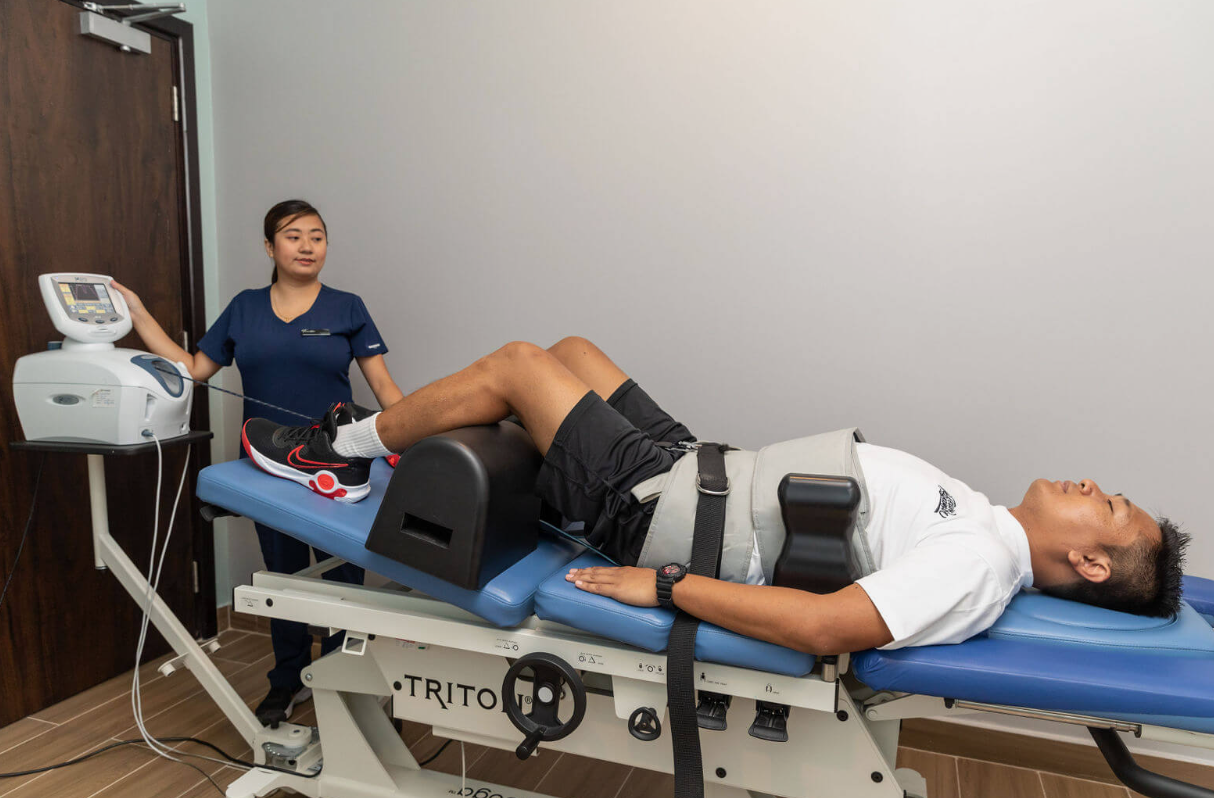
Joint pain, muscle stiffness, injuries, and restricted movement can make everyday activities more difficult than they should be. Walking, climbing stairs, lifting objects, exercising, or completing work responsibilities may become uncomfortable when the musculoskeletal system is not functioning properly. Orthopedic physical therapy focuses on addressing these challenges through professional assessment, therapeutic exercises, movement training, and individualized rehabilitation. For people experiencing musculoskeletal problems, Orthopedic Physical Therapy Ashburn offers an opportunity to explore treatment options designed to improve mobility, rebuild strength, and support a return to daily activities. Whether discomfort develops gradually or follows an injury, appropriate rehabilitation can help patients understand their physical limitations and work toward practical, achievable goals.
Choosing a physical therapy provider is an important decision, particularly when pain or restricted movement interferes with quality of life. Patients may need support after an orthopedic injury, during recovery following surgery, or while managing persistent conditions affecting their joints, muscles, tendons, or ligaments. A suitable rehabilitation plan should consider the patient’s medical history, current physical abilities, lifestyle, and recovery goals rather than relying on a standard exercise routine. PT By Art, also known as State of the Art Physical Therapy, is a local practice to consider when exploring rehabilitation options in Ashburn. Understanding orthopedic rehabilitation, the conditions it may address, and the qualities of effective treatment can help patients make informed decisions about their care.
Understanding Orthopedic Physical Therapy
Orthopedic physical therapy is a specialized area of rehabilitation that addresses conditions affecting the musculoskeletal system, including muscles, bones, joints, tendons, and ligaments. These structures work together to support posture, stability, and movement, so a problem in one area can influence other parts of the body. For example, restricted ankle mobility may change walking mechanics, while weakness around the hips may affect control during stairs or other weight-bearing activities. A physical therapist evaluates movement patterns, joint mobility, strength, flexibility, and functional abilities to identify limitations that may benefit from treatment. Depending on the assessment, rehabilitation may include progressive strengthening, mobility exercises, balance training, manual therapy techniques, and education about movement mechanics. Treatment is adjusted to the patient’s condition and response, with the goal of improving practical function rather than focusing solely on individual symptoms. This structured approach can help patients understand their physical needs and participate more confidently in the recovery process.
Orthopedic rehabilitation may be recommended for a variety of conditions that affect the body’s ability to move comfortably and efficiently. These include back and neck pain, shoulder stiffness, knee injuries, ankle sprains, tendon irritation, arthritis-related limitations, and recovery following certain surgical procedures. Patients recovering from fractures may need help restoring mobility and strength after receiving appropriate medical treatment, while individuals with overuse injuries may require modifications to exercise routines and progressive strengthening. Rehabilitation may also help address functional limitations associated with plantar fasciitis and other foot-related conditions. The treatment approach depends on the diagnosis, symptom severity, medical history, and individual goals. For some patients, the primary objective is to return to work or recreational activities; for others, it is to improve walking tolerance, manage everyday discomfort, or maintain independence. A thorough assessment helps determine which interventions are suitable and whether additional medical evaluation is necessary.
Personalized Treatment Plans for Better Recovery
Every patient responds differently to injury and rehabilitation, making individualized treatment an important part of orthopedic physical therapy. An initial evaluation may examine joint movement, muscle performance, flexibility, balance, posture, and the activities that trigger discomfort. The therapist then uses these findings to establish realistic goals and determine an appropriate starting point. Someone experiencing shoulder stiffness may need mobility exercises and progressive strengthening, while a patient recovering from a knee procedure may require carefully monitored movement training and functional exercises. As strength and control improve, treatment can progress toward more demanding activities that reflect the patient’s daily responsibilities. Orthopedic Physical Therapy Ashburn can be a valuable option for individuals seeking professional guidance with musculoskeletal recovery and improved physical function. Patients should understand that recovery timelines vary and that progress depends on the condition, treatment consistency, and other health factors. Regular communication helps the therapist adjust exercises when symptoms change and keep the rehabilitation program aligned with the patient’s needs.
Strengthening Mobility and Preventing Future Limitations
Improving mobility involves more than reducing discomfort in a particular joint or muscle. Strength, flexibility, coordination, and movement control all contribute to the ability to perform daily activities effectively. A rehabilitation program may include exercises that strengthen supporting muscles, improve joint range of motion, and develop better control during activities such as lifting, bending, walking, or climbing stairs. Patients may also learn how to adjust their movement patterns to manage physical demands more comfortably. For example, an individual returning to exercise after an injury may benefit from gradually increasing resistance and activity duration instead of immediately resuming a previous training routine. Those who spend extended periods sitting or performing repetitive tasks may need practical strategies for managing their daily workload. Preventing every future injury is not possible, but appropriate exercise, gradual progression, and attention to recurring symptoms can help patients make informed decisions about physical activity. Home exercises should be performed according to professional guidance, with adjustments made when pain or other symptoms indicate that the routine may need review.
Choosing the Right Orthopedic Physical Therapy Provider in Ashburn
Selecting a provider involves considering professional qualifications, experience with the relevant condition, communication practices, and the suitability of the proposed treatment plan. Patients should ask how the initial assessment will be conducted, which treatment approaches may be recommended, and how progress will be evaluated. It is also sensible to discuss appointment availability, insurance coverage, home exercise requirements, and coordination with other healthcare professionals when necessary. PT By Art, also known as State of the Art Physical Therapy, is a local rehabilitation practice in Ashburn that patients can contact when exploring orthopedic care. The practice’s published information identifies conditions including fractures, plantar fasciitis, and motor vehicle injuries among the areas it treats. Prospective patients should confirm the availability of services relevant to their particular orthopedic concern before scheduling an appointment. A suitable provider should explain recommendations clearly, consider individual circumstances, and encourage patients to participate actively in their recovery. The goal is to establish a practical treatment approach that supports measurable functional improvements without promising identical results for everyone.
Conclusion
Orthopedic rehabilitation can help individuals address musculoskeletal limitations, improve movement, rebuild strength, and work toward returning to their everyday routines. The process begins with understanding the underlying problem and establishing appropriate goals, followed by individualized exercises, movement education, and regular progress assessments. Patients can support their recovery by following professional recommendations, maintaining consistency with suitable home exercises, and avoiding premature increases in physical activity. For people researching Orthopedic Physical Therapy Ashburn, PT By Art is a local provider worth considering when evaluating rehabilitation options for injuries, joint problems, and other movement-related concerns. Before beginning treatment, patients should discuss their needs with a qualified professional and confirm that the available services match their condition. With informed decisions, realistic expectations, and active participation, rehabilitation can become a practical step toward improved mobility, greater independence, and a more comfortable daily life
Leave a Reply