
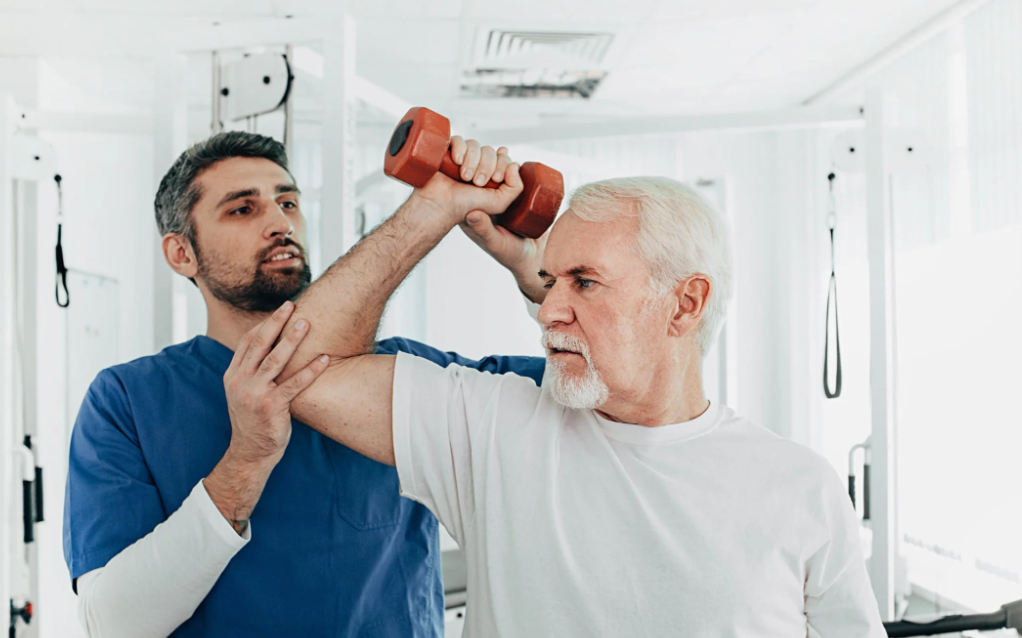
Sports and physical activities offer many benefits, including improved strength, endurance, coordination, and overall well-being. However, repetitive movements, sudden changes in direction, excessive training, and inadequate recovery can place considerable stress on muscles, tendons, ligaments, and joints. Whether someone participates in competitive athletics, recreational sports, gym workouts, or weekend activities, an injury can interfere with performance and make familiar movements uncomfortable. Sports Therapy in Ashburn provides an approach to addressing sports-related injuries, improving physical function, and supporting a safe return to activity. Through appropriate assessment, progressive rehabilitation, and practical movement guidance, individuals can work toward restoring their abilities while understanding how to manage the physical demands of their chosen activities.
Choosing the right physical therapy provider is an important consideration for anyone experiencing an athletic injury or struggling to return to regular exercise. Some individuals need help rebuilding strength after an ankle sprain, while others experience knee discomfort, shoulder limitations, muscle strains, or recurring problems associated with repetitive movements. PT By Art, also known as State of the Art Physical Therapy, is a local rehabilitation practice in Ashburn that prospective patients can consider when exploring their treatment options. Understanding the principles of sports rehabilitation, the importance of individualized exercise, and the role of injury prevention can help athletes make informed decisions. A structured recovery process should address current limitations while preparing individuals to manage the physical demands of their sport or preferred activity.
Understanding the Role of Sports Therapy
Sports therapy focuses on helping physically active individuals manage injuries, restore functional movement, and rebuild the strength and coordination needed for exercise and athletic participation. Depending on the injury and the patient’s medical needs, rehabilitation may involve mobility exercises, progressive strengthening, balance training, movement retraining, and education about training modifications. A physical therapist evaluates the affected area, considers how the injury influences overall movement, and develops a treatment plan based on the individual’s goals. For example, an athlete experiencing knee discomfort may need to improve lower-body strength and movement control, while someone recovering from a shoulder injury may require a carefully progressed program to restore comfortable arm movement and functional strength. Treatment should reflect the demands of the specific sport rather than focusing exclusively on the injured body part. By identifying movement limitations and addressing relevant physical deficits, rehabilitation can help individuals work toward a more confident and controlled return to their usual activities.
Common Sports Injuries That May Require Rehabilitation
Athletic injuries can occur during training, competition, recreational exercise, or everyday activities that involve sudden or repetitive physical demands. Ankle sprains may affect stability and walking, while knee injuries can interfere with running, jumping, and changing direction. Shoulder problems may make throwing, swimming, or lifting uncomfortable, and muscle strains can limit speed, flexibility, or strength. Tendon-related conditions may develop gradually when training demands exceed the body’s ability to recover, while some injuries result from a single awkward landing or unexpected movement. Sports rehabilitation can help address functional limitations associated with these conditions when appropriate for the patient’s diagnosis and stage of recovery. The initial evaluation may include reviewing the injury history, assessing movement, and identifying activities that aggravate symptoms. Patients should not assume that every injury can be managed through exercise alone. Severe swelling, inability to bear weight, obvious deformity, or suspected fractures require prompt medical assessment. Accurate diagnosis and appropriate treatment planning help establish a safer foundation for rehabilitation.
Personalized Treatment Plans for Athletic Recovery
Every athlete has different physical demands, training habits, and recovery goals, which is why individualized treatment is important. A recreational runner may want to return to comfortable running distances, while a basketball player may need to regain jumping ability, balance, and confidence when changing direction. A person who performs regular strength training may require guidance on restoring lifting mechanics and gradually increasing resistance. A physical therapist can assess strength, flexibility, coordination, movement quality, and tolerance for specific activities before recommending an appropriate progression. Treatment may begin with controlled movements and basic strengthening before advancing to more demanding functional exercises. Sports Therapy in Ashburn can be an option for individuals seeking professional guidance with injury rehabilitation and the development of activity-specific goals. Progress should be measured through relevant functional improvements rather than a fixed timetable. If pain, swelling, instability, or other symptoms increase during recovery, the program may need to be adjusted. A gradual approach helps patients build capacity while respecting the healing process and any medical restrictions.
Improving Strength, Flexibility, and Movement Control
Strength, flexibility, balance, and coordination work together to support athletic performance. Limitations in any of these areas may affect how an individual accelerates, lands, lifts, reaches, or changes direction. Rehabilitation exercises can target the muscles and movement patterns required for these activities while accounting for the athlete’s current abilities. Lower-body strengthening may help a patient regain control during walking, running, or stepping, while balance exercises can support stability during single-leg activities. Mobility exercises may be appropriate when restricted movement interferes with technique or everyday function. However, flexibility should not be treated as the sole solution to every sports injury, and strengthening exercises must be selected according to the underlying problem. As recovery progresses, functional exercises may become more closely related to the movements required by the patient’s sport. Proper technique, appropriate resistance, and sufficient recovery time are important throughout the process. Patients should follow their therapist’s recommendations and avoid advancing to demanding exercises simply because an activity feels easier on one occasion.
Preventing Recurring Injuries Through Better Training Habits
Although not every sports injury can be prevented, sensible training practices can help athletes manage physical demands more effectively. Sudden increases in training volume, inadequate recovery, unsuitable technique, and returning to full activity before rebuilding sufficient capacity may contribute to recurring problems. Athletes can work toward more sustainable training habits by increasing activity gradually, including suitable strength exercises, warming up appropriately, and allowing time for recovery between demanding sessions. Footwear and equipment should be appropriate for the activity, while exercise technique should be reviewed when movements repeatedly cause discomfort. Athletes should also pay attention to fatigue because tired muscles may affect coordination and movement control. Rehabilitation can help identify physical limitations that deserve attention before an athlete resumes more demanding activities. A return-to-sport plan may include progressive loading, sport-specific movement practice, and assessment of functional readiness, depending on the injury. Pain should not automatically be treated as a signal to push harder. Persistent or recurring symptoms warrant professional evaluation so that contributing factors can be assessed and the training plan adjusted when necessary.
Choosing a Sports Therapy Provider in Ashburn
Selecting a rehabilitation provider involves reviewing professional qualifications, relevant experience, communication, and the suitability of available services. Patients should ask how their injury will be assessed, what treatment methods may be used, how progress will be measured, and what activities they should avoid during recovery. It is also useful to discuss appointment availability, insurance coverage, home exercises, and the expected process for returning to sport. PT By Art, associated with State of the Art Physical Therapy, is an established local physical therapy practice in Ashburn that individuals can contact to discuss their rehabilitation needs. Prospective patients should confirm whether the practice currently provides sports-specific rehabilitation suited to their injury and activity goals. A suitable provider should explain treatment recommendations clearly, consider the patient’s broader health needs, and adjust the program as functional abilities change. Choosing care based on clinical suitability and realistic expectations can help athletes understand their options and participate more confidently in recovery.
Conclusion
Sports rehabilitation can play an important role in helping active individuals address injuries, rebuild physical capacity, and work toward returning to their preferred activities. A thoughtful recovery plan combines appropriate assessment, individualized exercises, progressive strengthening, movement training, and practical advice about training habits. Athletes should avoid rushing the process and should base their return to demanding activities on functional readiness, professional guidance, and any medical restrictions. For individuals researching Sports Therapy in Ashburn, PT By Art is a local provider worth contacting to determine whether its available physical therapy services align with their specific rehabilitation needs. By prioritizing appropriate treatment, consistent participation, and sustainable training practices, athletes can take informed steps toward better movement, improved physical function, and a more confident return to an active lifestyle.
Leave a Reply