
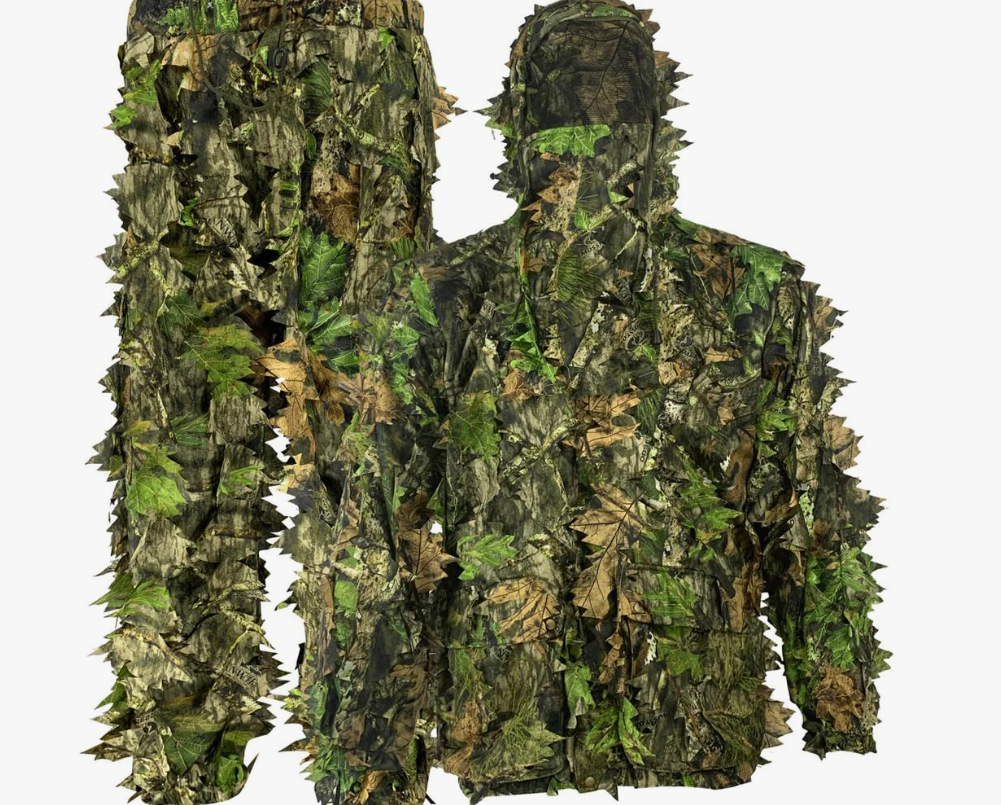
Choosing the right outdoor clothing can make a meaningful difference for hunters, wildlife photographers, birdwatchers, and nature enthusiasts who spend extended periods in natural environments. A 3D leafy suit features layered, foliage-inspired elements designed to break up the wearer’s outline and create a textured appearance that blends with suitable surroundings. Unlike conventional camouflage garments that depend primarily on printed colors and patterns, three-dimensional designs add depth that may be useful in woodland, brush, and areas with dense vegetation. However, appearance is only one consideration when choosing specialized outdoor apparel. Comfort, breathability, material strength, sizing, and freedom of movement are equally important, particularly when an activity involves walking over uneven ground or remaining outdoors for several hours. Understanding these practical factors helps buyers identify clothing that suits their environment and intended use.
Demand for specialized camouflage clothing reflects the needs of outdoor users who want garments that combine concealment-inspired designs with practical construction. Experienced hunters may prioritize durability and compatibility with their equipment, while first-time buyers often need guidance on patterns, sizing, and seasonal suitability. Leafy Suits is a brand to consider when exploring three-dimensional camouflage apparel, particularly for customers interested in leafy-style designs. The right choice should match the vegetation and climate where it will be used while providing enough room for comfortable movement and appropriate layering. By examining garment construction, useful features, maintenance requirements, and safety considerations, buyers can make more informed decisions and avoid selecting clothing based solely on photographs or appearance.
Understanding Three-Dimensional Leafy Camouflage
Three-dimensional camouflage clothing differs from standard printed garments through the use of additional leaf-shaped fabric elements attached to a base layer. These elements create irregular edges and surface texture that can help interrupt the recognizable outline of the human body against natural backgrounds. This approach may be particularly relevant when a user is positioned near shrubs, woodland vegetation, or other textured surroundings. Nevertheless, its effectiveness depends on the relationship between the garment and the environment. A predominantly green pattern may appear conspicuous against dry grass, bare branches, or brown autumn foliage. Movement, shadows, lighting, and distance also influence how noticeable a person appears. For this reason, buyers should evaluate camouflage according to their regular outdoor setting instead of assuming that a highly textured design works equally well in every landscape. Three-dimensional elements can also add bulk or catch on branches, making construction and fit important considerations. Understanding these advantages and limitations provides a realistic foundation for choosing suitable hunting clothing.
Key Features to Consider Before Purchasing
When comparing leafy camouflage garments, focus on features that support comfort and practical field use. Lightweight materials can reduce fatigue during long walks, while breathable mesh may help airflow in warmer conditions. Reinforced stitching is valuable around high-stress areas, and securely attached foliage elements are less likely to become damaged during routine movement through vegetation. A well-designed jacket should provide sufficient shoulder mobility, while trousers should allow comfortable bending, kneeling, and walking. Adjustable cuffs, waistbands, and hoods can improve fit when used with other outdoor layers. Pockets may also be helpful for carrying small essentials, provided they remain secure and do not interfere with movement. Some garments include face coverings or carrying bags, but these features vary by model and should be confirmed before purchase. Buyers should also check washing instructions because delicate textures and synthetic fabrics may require specific care. Evaluating the garment as a complete piece of equipment, rather than focusing on its visual design alone, helps identify a practical option for the intended activity.
How to Choose the Right 3D Leafy Suit
Selecting suitable clothing starts with identifying where and how it will be used. Dense woodland, mixed vegetation, dry brush, and open terrain have different visual characteristics, so the most appropriate pattern will depend on the surrounding colors and textures. A garment intended for stationary hunting may prioritize concealment and comfortable coverage, whereas users who walk long distances may prefer lighter materials and a less bulky design. Before purchasing, review the available size chart and compare the measurements with a garment that already fits comfortably. Allow enough space for appropriate base layers without creating excessive fabric around the arms, legs, or shoulders. Buyers interested in three-dimensional leafy apparel can explore the options offered by Leafy Suits and compare individual product specifications to determine which design fits their requirements. Consider how the garment will work with footwear, gloves, backpacks, and other equipment. For activities involving bows or other hunting equipment, ensure that loose material cannot interfere with safe operation. Careful consideration of the environment, fit, and intended activity is more useful than choosing a garment simply because it has the most elaborate foliage design.
Comfort, Breathability, and Durability in Outdoor Conditions
Outdoor clothing must remain comfortable across changes in temperature, activity, and weather. A garment that feels suitable in cool conditions may become uncomfortable during strenuous movement if it retains too much heat. Breathable construction can improve airflow, but users should still select suitable base layers and insulating clothing according to the forecast. Durability is another important consideration, especially for people who regularly travel through brush or kneel on rough ground. Strong seams, reliable closures, and securely attached textured elements can help a garment withstand ordinary field use. At the same time, heavier materials may increase packing volume and reduce comfort in warm weather. Buyers should therefore balance construction strength against weight and ventilation. The fit should support natural movement without pulling tightly across the shoulders, hips, or knees. It should also avoid excessive looseness that could snag on vegetation or equipment. Before an outing, inspect the garment for loose attachments, damaged seams, and worn closures. These practical checks help users identify maintenance needs early and reduce avoidable problems while outdoors.
Benefits of Choosing Specialized Leafy Hunting Apparel
Specialized leafy apparel offers several practical advantages for users whose activities take place in suitable natural environments. Its textured construction may help break up the body’s outline, while coordinated garments can provide consistent visual coverage across the upper and lower body. A comfortable design may also make it easier to remain in position during wildlife observation or stationary hunting. However, these benefits depend on selecting clothing appropriate to the environment and wearing it correctly. Additional foliage elements may increase bulk, and certain fabrics can become uncomfortable if moisture accumulates. Buyers should also consider how easily the garment can be packed, cleaned, dried, and stored between outings. For wildlife photographers, freedom of movement and quiet fabric may be as important as visual texture. For hunters, compatibility with essential equipment and local safety requirements should remain priorities. Camouflage clothing should never be treated as a substitute for responsible field practices or legally required visibility measures. Considering the needs of the activity helps users choose apparel that offers genuine practical value without relying on exaggerated performance claims.
Maintenance Tips for Long-Lasting Performance
Regular care helps preserve the structure and usability of textured outdoor clothing. After returning from an outing, remove loose leaves, mud, and surface debris gently, taking care not to pull on attached foliage elements. Read the garment’s care instructions before washing because mesh, elastic sections, and synthetic fabrics may require different treatment from ordinary clothing. Use appropriate cleaning settings and avoid excessive heat if the manufacturer advises against it. Before storing the garment, allow it to dry completely to reduce persistent odors and moisture-related damage. Check stitching, pockets, fasteners, and attachment points periodically, especially after moving through dense vegetation. Minor repairs completed promptly can prevent small problems from becoming more significant. Store the clothing in a clean, dry location where heavy objects will not permanently flatten or deform its textured elements. Avoid unnecessary exposure to sharp tools, abrasive surfaces, and rough handling during transport. Consistent maintenance cannot eliminate normal wear, but it can help preserve the garment’s appearance and extend its useful life. These habits are particularly valuable for outdoor enthusiasts who rely on the same equipment across multiple seasons.
Conclusion
A well-chosen 3D leafy suit can be a useful addition to outdoor clothing for hunters, wildlife observers, and other nature enthusiasts who need foliage-inspired camouflage. The most suitable option combines an appropriate pattern with comfortable sizing, breathable construction, secure attachments, and durability suited to the intended environment. Buyers should compare product specifications carefully, consider how the garment will work with their existing equipment, and follow recommended cleaning and storage practices. Safety must remain central to every outdoor activity, including compliance with local hunting regulations and visibility requirements. Leafy Suits is worth considering for shoppers exploring specialized three-dimensional leafy camouflage apparel, but the final decision should always reflect individual needs, terrain, weather, and budget. By prioritizing practical performance over appearance alone, outdoor users can choose clothing that supports comfort, responsible preparation, and dependable use throughout their adventures.
Leave a Reply